
How ten years of veganism enriched my life
Veganism is always lauded for its environmental and ethical benefits, but the personal impact can be enormous too.
Written by Jack McGovan / Edited by Libby Langhorn
When I moved to Berlin eight years ago, I had enough money to last a month. I’d just graduated from university, my savings and desire to read anything longer than a name decimated, and the choice was between moving home or enjoying my life. Having decided against a career in chemistry, my subject of study, I found a job as a waiter in a vegan restaurant with two weeks until bankruptcy.
The job ensured my stay in the city, but it also provided me with something priceless besides the free food: community and one of my best friends to this day. Most of us working there were vegan, and those shared values almost certainly played a role in the development of our long-lasting relationships. The friction of living against the majority in society creates a heat in which it’s easier to forge bonds.
I’d only been vegan for two years then, and it’s now been ten years since I decided to become one of the around two percent of people in Europe to make the change. Although originally done on environmental grounds, that soon developed into concerns about animal rights. After a decade, however, I’ve started to realise that going vegan has brought numerous personal benefits to me, too. Yet, in almost all scenarios, the benefits of veganism are largely broadcast as environmental and ethical.
While the understanding of veganism might vary from person to person, the widely recognised definition is that espoused by The Vegan Society, which describes it as “a philosophy and way of living which seeks to exclude—as far as is possible and practicable—all forms of exploitation of, and cruelty to, animals.” It’s not a diet as many would frame it, but rather a philosophy of how one relates to animals.
 Jack McGovan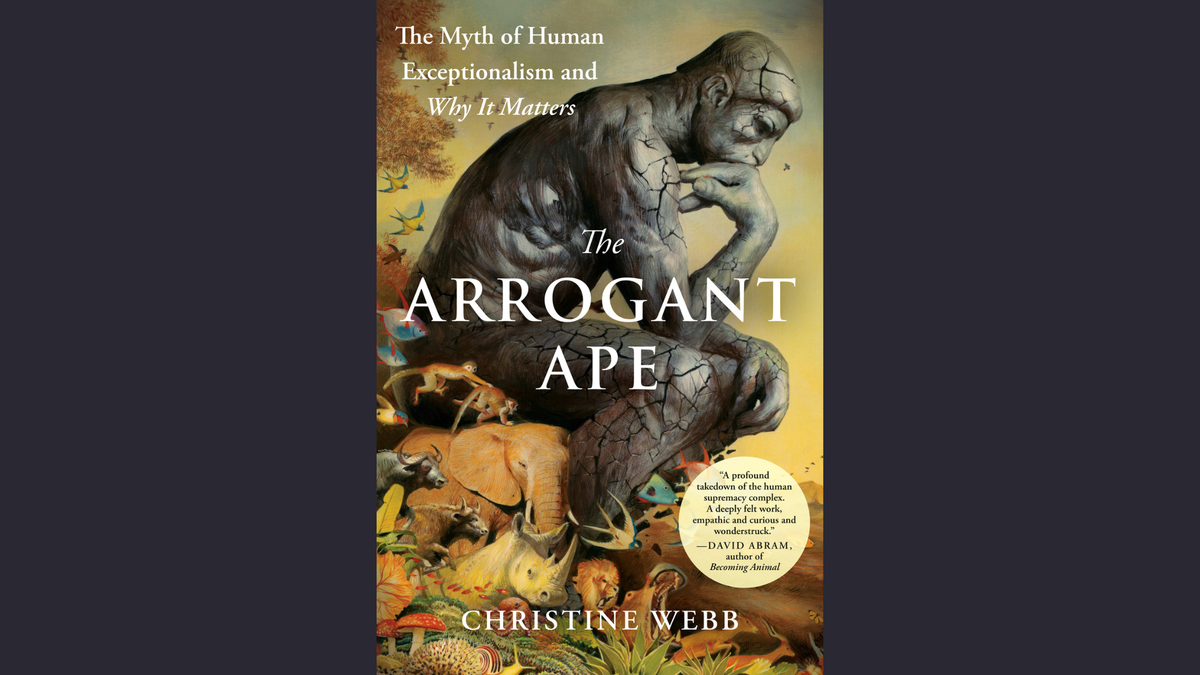
That process of changing how you look at animals can be very difficult. Like almost everybody else, I was brought up to consume animals, whether through meat, leather, or entertainment like zoos. It takes wilful cognitive effort to resist the values you’ve been raised with and try to chart a new path for yourself. That’s especially true as vegans are viewed negatively by an overwhelming majority of Western society; you’re fighting an uphill battle internally and externally. The point here isn’t to make veganism seem woe-is-me, but to show how there is a level of effort and commitment involved in developing a new relationship with other species.
That process of internal reflection has made me a much more intellectually humble person. It’s only because I’ve unpicked this idea of human dominance over animals, something that had been ingrained in me since early childhood, that I’m now willing to challenge all of my beliefs. If I could have been wrong about something so fundamental as our relationship to other species on this planet, what else could I possibly be wrong about?
Intellectual humility has brought with it a curiosity, an openness to seeing what else is out there beyond the limits of my own experiences. I’m not even certain that Sower would exist if it weren’t for my shift to veganism; the newsletter is founded on my intellectual practice of challenging the status quo that I can trace back to that decision. More literally, I became a journalist in the first place because I saw George Monbiot talking about animal agriculture on TV, and it animated something within me.
 Jack McGovan
Aside from intellectual growth, veganism also improved my relationship with myself. I had begun to question what I’d been eating, which, in turn, got me thinking more about what I was putting into my body. It helped me develop a broader understanding of nutrition and how to ensure a balanced diet. A cute nurse once told me my blood was a lovely colour, red like cherries he said, and I can’t help but feel that’s because of the improved quality of my diet; the only deficiency that’s ever shown up on a test is Vitamin D.
Not everybody has necessarily engaged in veganism the same way that I have. There has been without a doubt a spike in interest in the concept in recent years, as capitalism worked its magic and turned it into a fad diet; a trend to be followed, rather than a philosophical practice of engaging with the world. Veganism, as I’ve found, is only beneficial when it’s involved in changing your relationship to the world around you.
Of course, veganism isn’t the only avenue through which to find community, a sense of purpose, and a connection to the natural world. Nor did I write this essay to try and convince you to become vegan; I wrote it to share the personal value I have found in dedicating myself to an intellectual and philosophical practice that is all about imagining and believing that things can be better.
Only by challenging some of our closest-held beliefs will we ever deal with the issues plaguing our world today. We need to completely transform society and the way we live, and the only way to do that is to have uncomfortable conversations with ourselves and each other, sooner rather than later. Veganism is one avenue through which to do that: for the animals, for the environment, for ourselves, and for the future of life on Earth.
Comments ()